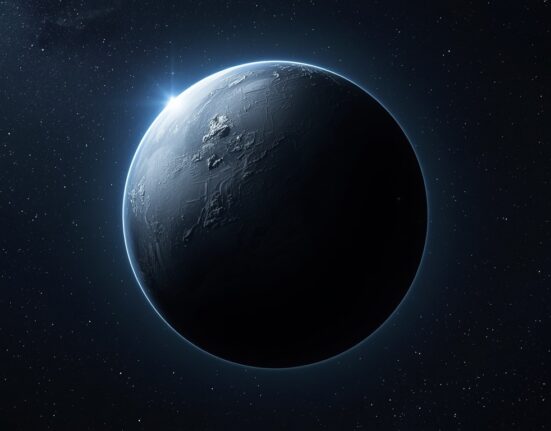
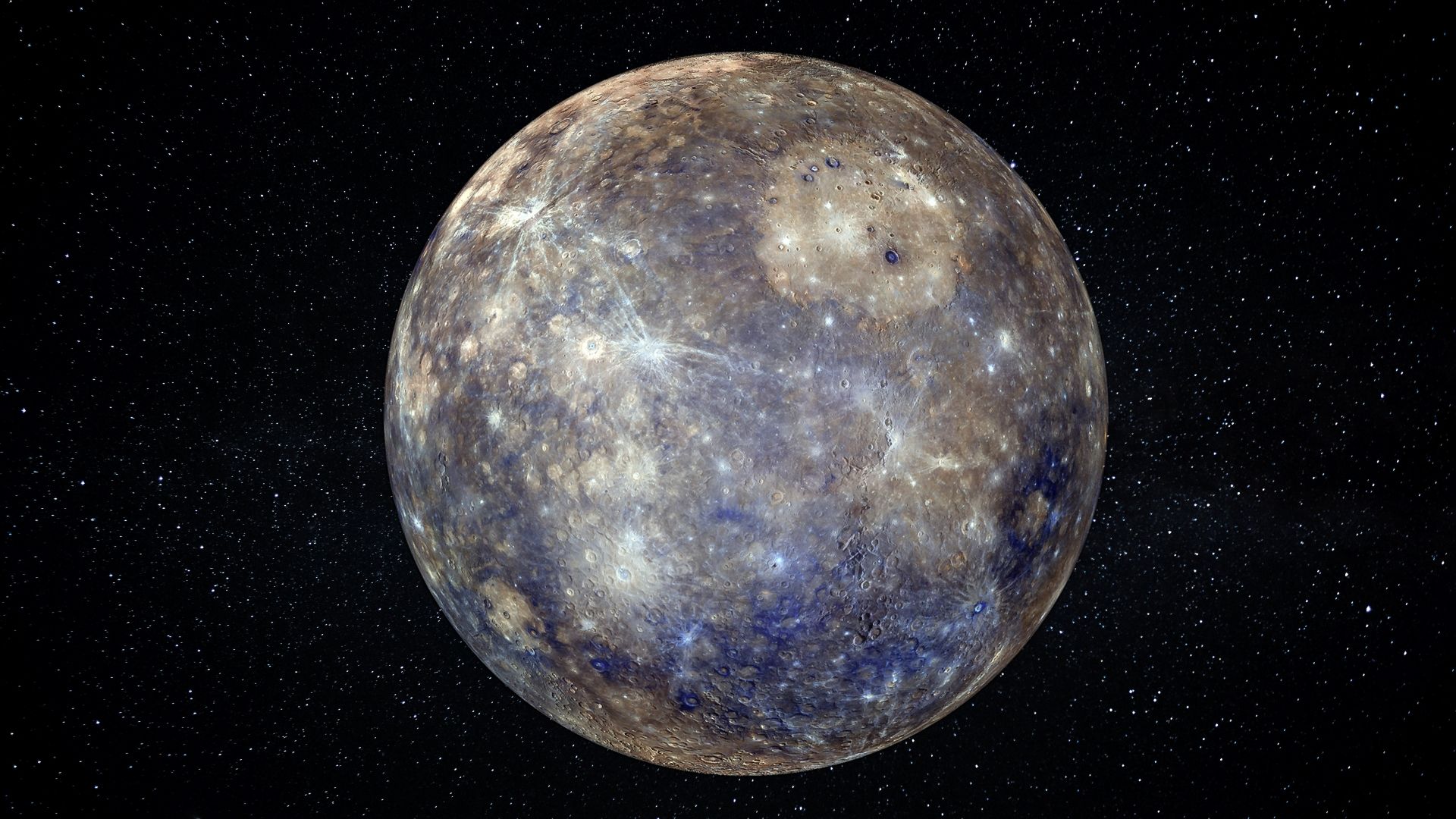
I’ll never forget the first time I pointed my telescope at Mercury—I expected a bright, shining silver ball, like in the cartoons. Instead, I saw a dull, grayish rock that looked more like an old parking lot than a planet. That moment changed everything I thought I knew about our solar system’s smallest world.
Mercury planet color looks mostly gray with subtle brown tones, shaped by its surface minerals and space weathering.
Stay tuned with us! We will dive into Mercury planet color, exploring its subtle shades, surface, and fascinating science soon.
What Mercury Planet Color Actually Looks Like Up Close
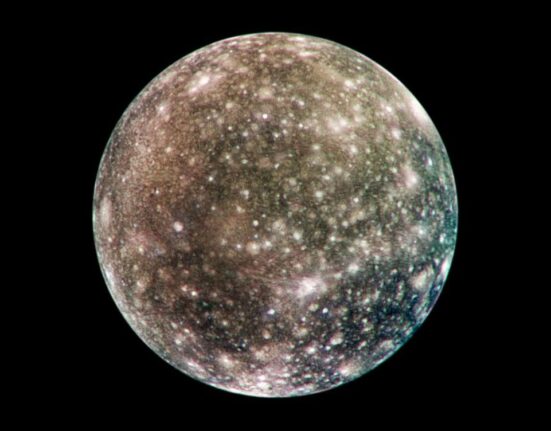
The mercury planet color isn’t what most people expect. When scientists capture images of Mercury using spacecraft like MESSENGER, they reveal a dark gray surface with brownish patches scattered across the landscape. The planet looks remarkably similar to our Moon, covered in ancient craters and dusty plains that absorb most of the sunlight hitting them.
Mercury’s true color comes from its composition—mostly iron and rock minerals that oxidized billions of years ago. The surface contains materials like silicates, which give it that dull, dark appearance. Unlike Mars with its rusty red or Jupiter with its colorful bands, Mercury keeps things simple and monotone.
Here’s what affects the mercury planet color you actually see:
- Impact craters: Dark shadows make the planet appear even grayer
- Solar wind exposure: Constant bombardment darkens the surface over time
- Temperature extremes: Day-side baking creates subtle color variations
- Minimal atmosphere: No scattering effect to create colorful skies
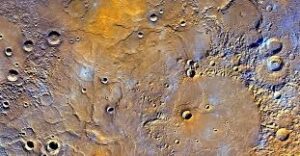
When NASA’s MESSENGER probe orbited Mercury from 2011 to 2015, it captured thousands of high-resolution images. These revealed subtle color differences that scientists use to map different rock types. Some areas show slightly bluish tints where younger craters exposed fresh material, while older regions display brownish-gray tones from billions of years of space weathering.
The planet reflects only about 12% of the sunlight that hits it, making it one of the darkest objects in our inner solar system. This low reflectivity, called albedo, contributes significantly to the mercury planet color appearing so dull and unremarkable compared to other planets.
Why Mercury Looks Different From Different Angles
The mercury planet color changes based on where you’re viewing it from and what equipment you’re using. From Earth, Mercury appears as a bright white dot because we’re seeing reflected sunlight, not the actual surface color. This creates a massive misconception that the planet is shiny and metallic.
Professional astronomers use spectroscopy to analyze the actual mercury planet color beneath the glare. This technique breaks down the light into different wavelengths, revealing the true brownish-gray surface hiding under all that reflected sunshine. It’s like the difference between looking at a dusty car in bright sunlight versus examining the paint color in shade.
| Viewing Method | Mercury Planet Color Appearance | Why It Looks This Way |
| Naked Eye from Earth | Bright white/yellow dot | Reflected sunlight overwhelms surface color |
| Earth-based Telescope | Slightly yellowish disk | Atmospheric distortion adds warm tones |
| Space Probe Images | Dark gray with brown patches | True surface color without atmospheric interference |
| Enhanced Color Images | Light gray to tan variations | Computer processing highlights subtle differences |
When I started using filters on my telescope, I noticed the mercury planet color shifted slightly. A blue filter darkened the view, while a yellow filter brought out faint surface details. These tricks help amateur astronomers see past the glare and get closer to Mercury’s real appearance.
The Sun’s position also matters tremendously. When Mercury crosses in front of the Sun during a transit, it appears as a perfect black circle—the ultimate demonstration that the mercury planet color is actually quite dark, not bright and shiny like its name suggests.
The Science Behind Mercury’s Gray and Brown Tones
Understanding the mercury planet color requires diving into the planet’s geological history. Mercury formed about 4.5 billion years ago from the same cloud of gas and dust that created our entire solar system. As heavier elements sank toward the core, lighter rocky materials formed the crust—and these materials determine what we see today.
The surface contains three main mineral groups that create the mercury planet color palette:
- Iron-rich silicates: Create dark gray base tones across most of the surface
- Magnesium compounds: Add subtle brown and tan variations in certain regions
- Graphite deposits: Contribute to the extremely dark appearance in some craters
Space weathering plays a massive role in the mercury planet color evolution. Solar wind particles slam into the surface constantly, breaking down rocks and creating a fine layer of dust. This process, called “gardening,” darkens the surface over millions of years. The planet has no atmosphere to protect it, so every grain of dust gets bombarded directly.
Mercury’s core makes up about 85% of the planet’s radius—the highest proportion of any planet in our solar system. This huge iron core doesn’t directly affect surface color, but it influenced how the planet cooled and cracked, creating the terrain patterns that contribute to subtle mercury planet color variations we observe today.
Volcanic activity stopped on Mercury billions of years ago, but ancient lava flows left smooth plains that appear slightly lighter gray than the heavily cratered highlands. Scientists map these different terrain types by analyzing color differences that are invisible to the human eye but clear in specialized imaging.
Comparing Mercury Planet Color to Other Rocky Worlds
The mercury planet color becomes more interesting when you compare it to Earth’s Moon, Mars, and Venus. These comparisons reveal why Mercury looks the way it does and what makes each rocky world unique.
| Rocky Body | Primary Color | Main Cause | Albedo (Reflectivity) |
| Mercury | Dark gray-brown | Iron silicates, space weathering | 12% |
| Moon | Light gray | Anorthosite highlands, basalt maria | 12% |
| Mars | Rusty red-orange | Iron oxide (rust) covering | 25% |
| Venus | Yellowish-white | Thick sulfuric acid clouds | 75% |
Mars gets its famous red color from iron oxide—essentially rust—covering the entire planet. Mercury has iron too, but different conditions prevented widespread oxidation. The mercury planet color reflects a surface that’s been pounded by impacts and radiation rather than weathered by water and wind like Mars.
Our Moon shares the closest visual similarity to Mercury. Both display gray surfaces covered in craters, but the Moon actually appears lighter because its highland regions contain more reflective minerals. The mercury planet color runs darker overall because of different rock compositions and more intense solar weathering.
Venus hides its surface completely under thick yellow clouds, so we can’t compare surface colors directly. Radar mapping reveals a rocky surface beneath, but without the extreme space weathering that creates the characteristic mercury planet color we observe on our solar system’s innermost planet.
What I Learned the Hard Way
I spent three months preparing to photograph Mercury during a rare evening appearance, convinced I’d capture stunning silver and blue tones like I’d seen in artistic renderings. I bought special filters, studied the best observation times, and waited for perfect weather conditions.
The reality check hurt. The mercury planet color through my telescope looked like a small, boring gray blob. No metallic shine. No dramatic colors. Just a faint, grayish dot that barely stood out against the twilight sky. I felt completely foolish for expecting something spectacular.
My biggest mistake was trusting enhanced images and artistic interpretations over scientific descriptions. Those beautiful space pictures get color-enhanced to show scientific data—they’re not meant to show what your eyes would actually see. I wish someone had told me explicitly that the mercury planet color is genuinely dull and unimpressive to casual observers.
Another failure came from my viewing timing. I tried observing Mercury when it was high in the daytime sky, thinking better visibility meant better views. Wrong. The bright blue sky completely washed out any mercury planet color I might have detected. Early morning or late evening near the horizon—when the sky is darker—provides much better contrast for seeing true surface tones.
I also learned that expecting dramatic colors from any astronomical object usually leads to disappointment. The mercury planet color taught me that the universe doesn’t care about being photogenic. Most celestial objects look far less colorful to the human eye than photographs suggest, and that’s perfectly okay. The science behind what we’re seeing matters more than Instagram-worthy colors.
How Spacecraft Revealed Mercury’s True Colors
Before spacecraft visited Mercury, scientists could only guess at the actual mercury planet color. The Mariner 10 mission in 1974-1975 provided our first close-up views, shocking astronomers with how Moon-like the planet appeared. The dark gray surface contradicted expectations of a shiny, metallic world.
NASA’s MESSENGER mission revolutionized our understanding of mercury planet color between 2011 and 2015. The spacecraft carried a dual imaging system that captured both visible light and infrared wavelengths, revealing color variations invisible to standard cameras. Scientists created enhanced color images by exaggerating subtle differences, helping them map different rock types and geological features.
The most significant discovery came from detecting unusual dark patches scattered across Mercury’s surface. These regions, darker than any mercury planet color found elsewhere, contain high concentrations of carbon—possibly from ancient comet impacts. This carbon material absorbs nearly all light, creating the blackest spots in our inner solar system.
MESSENGER’s color mapping identified several distinct mercury planet color zones:
- Bright crater rays: Fresh impact sites exposing lighter subsurface material
- Low-reflectance material: Carbon-rich deposits appearing nearly black
- Volcanic plains: Smooth regions with slightly lighter gray tones
- Ancient crust: Dark brown-gray heavily cratered terrain
The European Space Agency and Japan’s BepiColombo mission, which arrived at Mercury in 2025, carries even more sophisticated color imaging equipment. This spacecraft will create the most detailed mercury planet color maps ever produced, potentially revealing new insights into the planet’s composition and history.
Scientists use false-color images to make subtle mercury planet color differences more visible to human eyes. These images often show Mercury in orange, blue, and purple tones—but these aren’t real colors. They’re computer-enhanced representations of different mineral compositions. Understanding this distinction prevents the confusion I experienced as a beginner.
The Role of Light and Shadow in Mercury’s Appearance
The mercury planet color you observe changes dramatically based on lighting conditions. Mercury has no atmosphere to scatter light, so shadows appear absolutely black while sunlit areas reflect harshly. This extreme contrast makes the planet look even more gray and lifeless than it would under softer lighting.
During Mercury’s day, which lasts 176 Earth days, surface temperatures reach 800°F (430°C). This intense heat doesn’t change the actual mercury planet color, but it affects how we image the surface. Cameras must compensate for the extreme brightness, often making the planet appear lighter or darker than its true shade.
The terminator line—the boundary between day and night—provides the best views of Mercury’s surface features. Here, low-angle sunlight creates long shadows that highlight craters and valleys. Professional astronomers prefer imaging near the terminator because contrast reveals details that contribute to our understanding of mercury planet color variations across different terrain types.
Space probes capture images at different Sun angles to create comprehensive mercury planet color maps. Scientists combine multiple images taken under various lighting conditions to remove shadows and create accurate color representations. This process explains why different Mercury images sometimes show slightly different color tones—they’re capturing the same surface under different illumination.
Common Myths About Mercury Planet Color Debunked
The name “Mercury” creates enormous confusion about the mercury planet color. People hear the word and immediately picture liquid silver metal, expecting the planet to shine like a polished mirror. This misconception appears in countless children’s books, educational posters, and even some science fiction stories that should know better.
Myth 1: Mercury is silver like liquid mercury. Reality: The mercury planet color is dark gray to brownish-gray, similar to old concrete. The planet was named after the Roman god, not the metal, though both share the same namesake.
Myth 2: Mercury shines brightly because it’s close to the Sun. Reality: While Mercury appears bright from Earth, that’s reflected sunlight, not the actual surface color. The planet’s surface is one of the darkest in the inner solar system.
Myth 3: Mercury’s color changes with temperature. Reality: Extreme temperature swings don’t alter the mercury planet color. The same minerals create the same gray-brown appearance whether baking at 800°F or freezing at -290°F.
I fell for these myths myself before researching properly. Marketing and media representations consistently show Mercury as a shiny silver sphere, reinforcing incorrect expectations. Even some planetarium shows use inaccurate colors to make Mercury more visually distinct from the Moon.
The mercury planet color might seem boring compared to Mars’s red deserts or Jupiter’s swirling clouds, but that “boring” gray tells an incredible story of a world shaped by extreme conditions and billions of years of cosmic weathering. Sometimes the most interesting stories come in plain packages.
Practical Ways to Observe Mercury’s Color Yourself
Seeing the mercury planet color firsthand requires patience and proper technique. Mercury never strays far from the Sun in our sky, making observation windows brief and challenging. I’ve learned several tricks that improve your chances of catching a decent view.
Best observation times:
- Morning apparitions: 45-60 minutes before sunrise
- Evening apparitions: 45-60 minutes after sunset
- Greatest elongation: When Mercury appears farthest from the Sun
- Clear horizons: Locations with unobstructed eastern or western views
Use binoculars or a small telescope to see Mercury as more than just a bright dot. Even a 60mm refractor shows the planet as a tiny disk where you can detect the generally gray mercury planet color. Don’t expect dramatic colors—you’re looking for subtle gray tones against the twilight sky.
Filters help tremendously. A yellow or orange filter reduces glare and improves contrast, making it easier to detect the true mercury planet color. Blue filters darken the view but can help separate Mercury from the bright sky background. I keep multiple filters ready and test each one during observation sessions.
Photography captures details invisible to the eye. Modern smartphones with night modes can actually photograph Mercury, though you’ll need a telescope adapter. Stack multiple images using free software to reduce noise and bring out subtle mercury planet color variations that single exposures miss completely.
Why Mercury’s Color Matters for Science
The mercury planet color isn’t just an aesthetic curiosity—it provides critical data about the planet’s composition, history, and evolution. Scientists analyze color variations to map different rock types, identify volcanic regions, and track how space weathering affects planetary surfaces over billions of years.
Spectroscopy breaks the mercury planet color into constituent wavelengths, revealing which minerals are present on the surface. Iron-rich areas show different spectral signatures than magnesium-rich regions. These measurements help scientists understand how Mercury formed and why its composition differs from other rocky planets.
The presence of extremely dark, carbon-rich deposits has sparked fascinating questions about Mercury’s past. Did ancient comets deliver this material? The unique mercury planet color patterns in these dark regions suggest Mercury experienced heavy bombardment early in its history, potentially bringing organic compounds to the innermost planet.
| Color Feature | Scientific Significance | What It Reveals |
| Dark gray base tone | Low reflectivity, iron-rich minerals | Planet’s bulk composition |
| Brown patches | Different mineral compositions | Volcanic vs. impact materials |
| Bright crater rays | Fresh impact exposures | Recent geological activity |
| Carbon-dark regions | Cometary deposits | Early solar system bombardment history |
Future missions will use advanced color imaging to search for water ice in permanently shadowed craters near Mercury’s poles. While we can’t see this ice directly, analyzing the mercury planet color around crater rims might reveal clues about volatile materials hiding in the coldest spots on this sun-scorched world.
Understanding mercury planet color also helps scientists interpret observations of exoplanets orbiting other stars. By studying how Mercury’s color relates to its composition, researchers develop models for analyzing distant rocky worlds based on their spectral signatures—even when those planets are too far away to photograph directly.
Conclusion
The mercury planet color surprised me with its humble gray-brown reality, teaching me that nature doesn’t need flashy colors to be fascinating. Every dull crater and dusty plain tells stories of cosmic violence and planetary evolution spanning billions of years. Sometimes the quietest colors speak the loudest truths about our universe.
Frequently Asked Questions
What color is Mercury to the naked eye from Earth?
Mercury appears as a bright white or slightly yellowish dot to the naked eye when visible near sunrise or sunset. This brightness comes from reflected sunlight overwhelming the planet’s true dark gray surface color. The planet’s small size and proximity to the Sun make it difficult to observe, appearing similar to a bright star. Without optical aid, you cannot detect the actual mercury planet color—only the glare of sunlight bouncing off its surface. Binoculars or telescopes reveal it as a small disk, but most of the brightness still comes from solar reflection rather than the planet’s true color characteristics.
Why doesn’t Mercury look silver like its name suggests?
Mercury was named after the Roman messenger god, not the silvery liquid metal, though both share the same Latin root. The planet’s actual surface contains iron-rich silicate rocks and has undergone billions of years of space weathering, creating a dark gray to brownish appearance rather than metallic silver. The misconception likely stems from artistic representations that depicted Mercury as shiny to match its name. The mercury planet color results from its geological composition and the effects of solar radiation, not metallic elements on the surface. Ancient astronomers named the planet for its swift movement across the sky, not its appearance or color.
How do scientists create colorful images of Mercury?
Scientists use false-color imaging techniques to highlight subtle differences in Mercury’s surface composition that are invisible in natural light. They assign different colors to various wavelengths of light—including infrared and ultraviolet—to create images where orange, blue, and purple represent different mineral types or geological features. These enhanced images help researchers map the planet’s geology but don’t show what your eyes would actually see. The true mercury planet color remains gray-brown regardless of these scientific visualizations. When you see dramatic colorful Mercury images, remember they’re data visualization tools designed for scientific analysis, not accurate color photographs meant to show real appearance.
Is Mercury darker or lighter than Earth’s Moon?
Mercury and Earth’s Moon have nearly identical albedo values around 12%, making them equally reflective. However, Mercury often appears darker in direct comparisons because its surface contains more iron-rich materials and carbon deposits in some regions. The Moon has brighter highland areas made of lighter-colored anorthosite rock, which Mercury lacks. Both bodies show similar gray tones overall, but Mercury’s mercury planet color tends toward darker grays and browns while the Moon displays lighter grays with white highlands. The similarity exists because both lack atmospheres and experience similar space weathering processes that darken their surfaces over geological time.
Does Mercury’s color change during its orbit?
The fundamental mercury planet color remains constant throughout the planet’s orbit, as surface minerals don’t change with position or temperature. However, the planet’s appearance from Earth varies significantly based on viewing geometry and illumination angles. When Mercury is farther from Earth, it shows more of its sunlit side and appears brighter, while closer approaches during inferior conjunction show a thin crescent. Different Sun angles across the surface create varying shadow patterns that affect how we perceive color and contrast. Temperature extremes between Mercury’s day and night sides don’t alter the actual minerals present, so the mercury planet color stays consistent even as conditions fluctuate wildly.
Final Summary
Mercury’s true color disappoints expectations with its dull gray-brown appearance, nothing like the shiny silver sphere many imagine. The mercury planet color results from iron-rich silicate rocks, space weathering, and carbon deposits accumulated over billions of years. From Earth, reflected sunlight makes Mercury appear bright white, hiding its dark surface beneath intense glare. Spacecraft images reveal subtle color variations that help scientists map different geological features and understand the planet’s composition. The Moon provides the closest visual comparison, though Mercury tends darker overall. Understanding mercury planet color requires separating enhanced scientific images from actual appearance, accepting that our solar system’s innermost planet chose substance over flash, wearing its ancient gray proudly through cosmic history.